
CHARLOTTESVILLE, VA (CVILLE RIGHT NOW) – Have you ever sprayed a few ants, set a mousetrap, or knocked down a spider web only to find the pests right back a few days later? You’re not alone. One of the biggest mistakes homeowners make is treating only the pests they can see instead of addressing the reason those pests are there in the first place. Killing a few insects or trapping a mouse may provide temporary relief, but unless the source of the problem is identified and corrected, you’re likely to be dealing with the same infestation again and again.
At Holistic Pest Solutions, we believe successful pest control starts by solving the problem — not simply masking the symptoms.
Pests Are a Warning Sign
Seeing pests inside your home is often just the tip of the iceberg. What you see in your kitchen, basement, attic, or bathroom may represent only a tiny fraction of a much larger issue hidden out of sight. Many pests are incredibly good at staying concealed, emerging only when they need food or water. That’s why professional inspections are so important. We don’t just ask, “How do we get rid of these pests?” We ask, “Why are they here in the first place?”
Where Pests Are Really Coming From — Hidden Nests
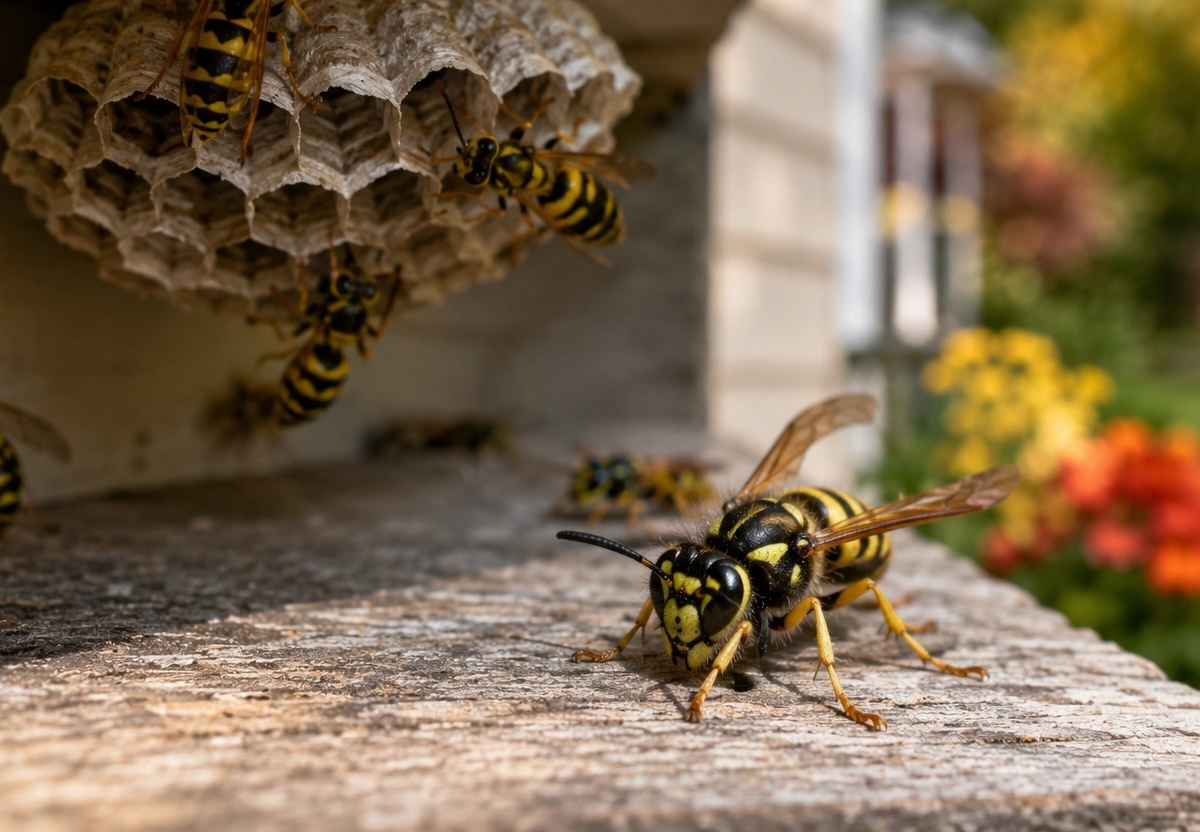
Wasps may be nesting inside wall voids. Rodents often build nests in attics, crawl spaces, garages, and insulation. Carpenter ants and termites can establish colonies deep inside structural wood long before they’re noticed. Removing the visible pests without locating the nest allows the infestation to continue growing.
Colonies Behind Walls
Many insects rarely live where you see them. Ants can travel hundreds of feet from their colony to forage for food. Cockroaches often spend daylight hours hidden inside walls, under appliances, or beneath cabinets before emerging at night. Treating only the insects you see leaves the colony untouched — and the problem continues.
Moisture Problems
Many pests are attracted to moisture. Leaky pipes, clogged gutters, poor drainage, damp crawl spaces, condensation, and high humidity create ideal conditions for termites, carpenter ants, cockroaches, silverfish, centipedes, mosquitoes, and many other unwanted visitors.
If excess moisture isn’t corrected, pests will continue finding your home attractive.
Structural Vulnerabilities
Your home may unknowingly be inviting pests inside. Common entry points include:
- Cracks in foundations
- Gaps around windows and doors
- Utility penetrations
- Damaged weather stripping
- Roofline openings
- Unscreened vents
- Loose siding
Mice can squeeze through openings as small as a dime, while many insects need only the tiniest crack to gain access. Finding and sealing these vulnerabilities is one of the most effective long-term pest prevention strategies.
Environmental Conditions Around Your Home
Sometimes the problem starts outside. Overgrown shrubs touching the house, stacked firewood, mulch piled too high, standing water, overflowing gutters, bird feeders, outdoor pet food, and dense ground cover all create ideal habitats for pests before they eventually make their way indoors. Your landscaping and property conditions play a much larger role in pest activity than many homeowners realize.
Why DIY Treatments Often Fall Short
Most over-the-counter pest products are designed to eliminate the pests you can see — not the infestation you can’t. Without identifying nesting sites, entry points, moisture sources, and environmental conditions, homeowners often find themselves repeating the same treatments over and over.
This cycle can become frustrating, expensive, and ineffective.
The Holistic Pest Solutions Difference
Our name reflects our philosophy. Rather than simply applying products, we take a comprehensive approach that looks at your entire property. We inspect your home from top to bottom to determine:
- Where pests are entering
- What is attracting them
- Where they’re nesting
- How they’re surviving
- What changes will prevent them from returning
From there, we develop a customized treatment plan designed to eliminate current pest activity while reducing the conditions that allow future infestations to develop. That’s the difference between temporary pest control and long-term pest protection.
Stop Treating Symptoms. Start Solving the Problem.
If pests keep coming back, chances are the real problem hasn’t been addressed.
Instead of chasing individual insects or rodents, let Holistic Pest Solutions identify what’s happening behind the scenes. Our experienced technicians look beyond the obvious to uncover the source of the infestation and provide lasting solutions that help protect your home and your family.
Ready to stop fighting recurring pest problems? Contact Holistic Pest Solutions today for a comprehensive inspection and discover why treating the source—not just the symptom—is the key to long-term pest control. CONTACT if you want to learn more about our treatment plans or give us a call at 434 842 1700. Whether you’re in Charlottesville, Waynesboro, or close by to either, Holistic Pest Solutions has the perfect plan for you! Our treatments are mindful of our clients, and our Earth.
*Our Environmental Commitment: Holistic Pest Solutions is committed to the preservation of our environment. Our goal is to nurture the soils and plant life of lawns and landscapes. Utilizing holistic pest control practices that cause the least amount of impact on the environment.